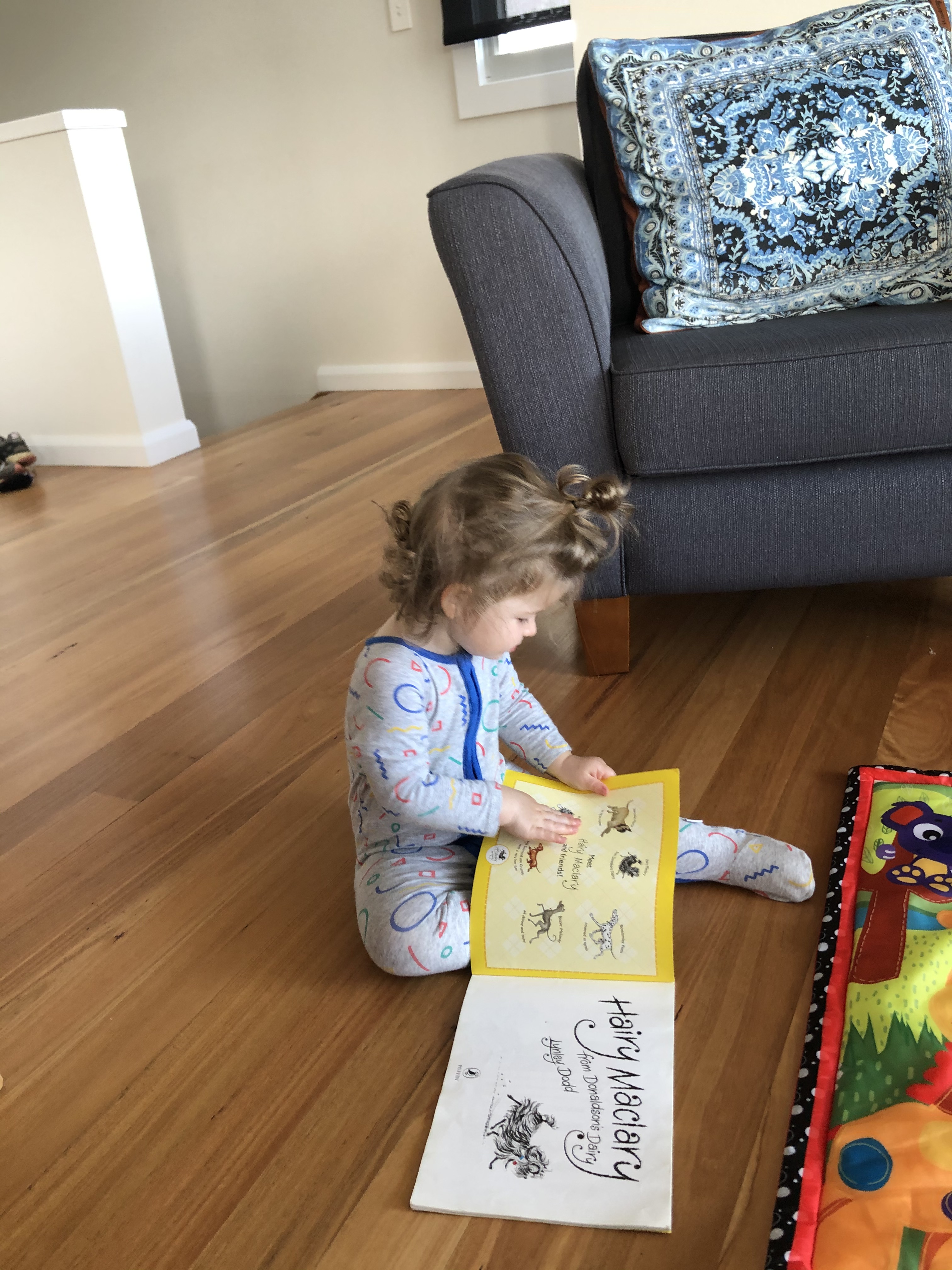
I am sure many parents of a pre-schooler have heard the concept of ‘pre-reading strategies’. They include things like being able to track with eyes, point to objects or words or identify sounds that are the same. However, one pre-reading strategy that is so obviously being neglected is oral literacy. Or, simply put: conversation.
Oral literacy is absolutely vital to children and adults being able to read. Why? Because the whole reason we read in the first place is so we can make meaning. If we can’t follow along with what is happening in a story, why would you read it? If you can’t comprehend a newspaper article, why would you read it?
I have taught many children who can read fluently and accurately, though when I ask them a question about the text, they are unable to answer it. It’s a problem that goes unnoticed by some educators and many parents, as we are made to believe that if a child doesn’t make any errors whilst reading, then he can read well.
Oral literacy is the easiest pre reading skill to teach. It doesn’t require any tools or technology. Just a parent and the child. Simple. Conversations with your child help to teach sentence structure, expression and tone of voice. By talking with your child, you are able to broaden her vocabulary. These conversations can lead to questions that can help a child to comprehend her world. This is extremely important as when teachers assess reading, we use questioning techniques to determine how well a student has understood their text. To help you understand this better, I have an explanation of the common types of questioning we use in the classroom, as well as an example of each in relation to the daily commute I have with my children.
Predicting (using the information we have to have a guess about what is happening).
Example: That ute is carrying a boat, I wonder where they are going…
‘Here’ questioning (the answer is right there, you need to remember/recall it).
Example: What colour was the truck we just drove past?
‘Hidden’ questioning (the answer isn’t clear, you’ll need to apply your own knowledge to the text).
Example: Why do you think that car changed lanes just then? (answers can vary: the car is going to turn a corner, the car is wanting to take over another car, the car is going to do a uturn)
‘Heart’ questioning (we’re using the way we would feel about a particular situation to help inform our answer):
Example: How do you think that dog is feeling with his head out the window? Why do you think that? (The why is really important in this instance)
Vocabulary questioning (using synonyms to replace a word in a text).
Example: Wow that’s a big truck! What word can you think of that also means big?
These questions can be difficult to think of on the spot, however the more you get used to thinking of them, the easier it becomes for you and your child.
The next step is to incorporate these types of questions into the books you read together. They don’t all have to be done each time you read, and you don’t need to expect an answer. Often I will just ask a question as food for thought. If my son answers the question then that’s great, if he doesn’t it’s not a big deal. I give him ten seconds to process it and then I answer it for him and move on.
As a parent, I often think of the bigger picture. When my children are adults, I want them to be able to read words. More importantly though, I want them to be able to critically analyse and evaluate what they are reading, as well as the world around them. I want them to be able to make informed decisions and accurate judgements, not follow the crowd or the post with the most reactions. By engaging my children in conversations and questioning, I am creating the extremely early foundations for this. I urge you to also think of the bigger picture. Don’t go neglecting those other pre-reading strategies, just try and balance it out a little.
 It's A Work In Progress